
ALLENCOMM BLOG | Insights
Building A Winning Strategy for Employee Onboarding & Soft Skills Development
April 1, 2025
Effective employee onboarding and soft skills training are essential for any organization seeking to cultivate a productive and engaged workforce. In this post, we explore what makes an effective employee onboarding program and how to structure soft skills training to promote long-term success.
What Makes An Effective Employee Onboarding Program?
A successful onboarding program lays the foundation for new hires by integrating them into the company culture and providing the tools they need to succeed. Here are some key elements to consider:
- Clear Objectives and Structure:
An effective onboarding program sets clear goals, roles, and expectations from the beginning. This includes introducing the company’s mission, values, and daily operations.
For example, initiatives like the ones detailed on our Employee Onboarding page can serve as a great model for establishing a structured approach. - Comprehensive Orientation:
New hires should receive more than an overview of company policies and procedures. Personalized training sessions that cover specific job-related skills are also essential.
Incorporating interactive sessions, mentorship programs, and real-time feedback helps to engage employees from day one. - Ongoing Support and Feedback:
Onboarding shouldn’t be a one-time event. Ongoing support through follow-up sessions, check-ins, and additional training modules ensures that employees feel valued and have the resources needed to overcome challenges. Resources like our New Hire Training and Onboarding services offer tailored solutions to keep the process dynamic and responsive.
How Is Soft Skills Training Development Structured?
Soft skills are essential for encouraging collaboration and innovation within the workplace. Here’s how organizations can structure effective soft skills training:
- Assessment of Current Competencies:
Before developing a training program, it’s important to assess the current soft skills within the organization. Identifying gaps in communication, teamwork, problem-solving, and emotional intelligence provides a clear roadmap for training initiatives. - Customized Curriculum Development:
A one-size-fits-all approach rarely works. Customizing training content to address the specific needs of your team ensures that learning is relevant and engaging. Consider blending learning techniques—combining in-person sessions with digital modules, as seen on our e-Learning platform—to accommodate diverse learning styles. - Interactive and Practical Learning:
Soft skills are best developed through practical, hands-on experiences. Role-playing exercises, group discussions, and scenario-based activities give employees the opportunity to practice and refine their skills in a controlled environment. Regular workshops and coaching sessions can reinforce these skills over time. - Continuous Evaluation and Adaptation:
Like onboarding, soft skills training should be an ongoing process. Establishing metrics to measure improvement, gathering feedback from participants, and adjusting the curriculum accordingly ensures that the training remains effective and aligned with the company’s goals. This iterative process not only enhances individual performance but also contributes to overall organizational growth.
Integrating Onboarding And Soft Skills Training
Combining employee onboarding and soft skills training creates a seamless learning experience that benefits both new hires and existing staff.
Here’s how to integrate these initiatives:
- Create a Cohesive Training Journey:
Design your onboarding process to include soft skills development from the beginning. By integrating these training elements early, new employees learn the importance of communication, teamwork, and adaptability as part of the company culture. - Leverage Digital Tools:
Using online platforms can help streamline the training process. For instance, our comprehensive resources available on the Employee Onboarding and e-Learning pages offer interactive content and analytics to track progress and engagement. - Align Training with Business Goals:
Whether the focus is on improving customer service, encouraging internal collaboration, or enhancing leadership skills, aligning training initiatives with overall business objectives is key. This not only ensures relevance but also drives measurable improvements in performance.
Final Thoughts
Building an effective employee onboarding program and implementing soft skills training are essential investments in your team’s success. By clearly defining objectives, customizing content, and optimizing digital resources, organizations can build a culture of continuous learning and improvement.
Implementing these strategies can help ensure that your onboarding processes are not just an introduction, but the beginning of a rewarding journey toward professional development and organizational excellence.
Resources For L&D Leaders
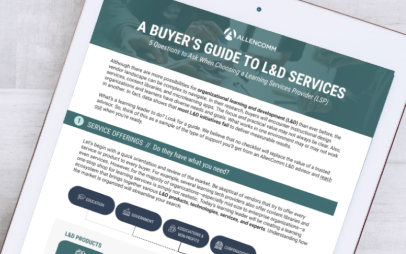
free guide
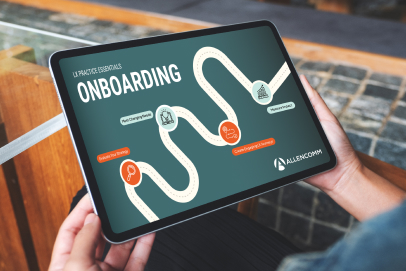
free guide
insights | on the blog
ALLENCOMM Press Releases
AllenComm Earns Spot on Best Mobile Learning Content Providers 2026 List
eLearning Industry honors AllenComm for its custom mobile learning solutions for enterprise, built to improve performance outcomes at scale. SALT LAKE CITY, [July 29, 2026] — AllenComm has been named to eLearning Industry’s...
ALLENCOMM Press Releases
AllenComm Named a Top Employee Engagement Training Provider by eLearning Industry
AllenComm has been recognized by eLearning Industry as a 2026 top provider for employee engagement, cited for scalable, personalized L&D that drives measurable results. SALT LAKE CITY, [June 24, 2026]...
ALLENCOMM Press Releases