

ALLENCOMM BLOG | Insights
Making Mentors Out of Managers
October 19, 2017
So you’re starting a mentoring program. Congrats! That’s a big step.
“…mentoring relationships can help employees both adapt and learn,” notes Forbes
One of the most important things you’ll do as you prepare is recruit employees to participate in the program. When scouring your ranks for potential mentors, don’t forget to include your managers! Managers are a natural choice for mentors since they know what it takes to be successful in your company.
Wait, should managers even be mentors?
There’s a surprising amount of literature on the web advocating that managers not be mentors at all. The reasons given? Managers have ulterior motives. They don’t want those working under them to be more successful than they are, or they want to take all the credit for their mentees’ progress.
If you feel that describes your managers, consider these questions:
- Is there something in your company’s culture that causes your managers to feel like they must sacrifice their direct reports’ careers to succeed? Sometimes analysis uncovers cultural flaws that need to be fixed, though it’s also possible that the culture isn’t flawed per se—it’s just being miscommunicated.
- If there are no cultural problems, and if the issue seems to be more related to personality…do you really want people that self-serving as managers? Managers should value others’ contributions and help their direct reports succeed!
If you still have misgivings about managers mentoring their own teams, you can always have them mentor someone else’s direct reports if organizational structure permits. Either way, good managers working in a positive corporate culture can and should be mentors!
What are the benefits of managers as mentors?
“…mentoring relationships can help employees both adapt and learn,” notes Forbes. Adaptation and learning are crucial for mentees, whether they’re aspiring to a different position or are happy where they are. After all, companies are evolving rapidly to accommodate a shifting business world. Even if mentees don’t change jobs, their jobs will change. When this happens, having a manager as a mentor is extra beneficial. The manager usually has a longer tenure at the company and can offer advice from their own experience with such changes.
Another benefit of having managers as mentors is retention. Everwise author Sarah Alexander mentions that “in today’s job market, top talent is hard to hold on to.” Although there are many reasons for this, Thin Difference makes a compelling argument that lots of young employees leave because of how their leadership skills are being developed (e.g. they aren’t), while those who find mentors are more likely to stay. Now who would be best equipped to mentor employees wanting to develop leadership skills? Probably leaders—or in other words, managers.
How do managers become mentors?
As you put together your very successful mentoring program, use your managers as mentors!
It won’t surprise you to hear that we recommend training to help mentors become managers. Mentor training should include “soft skills like listening and giving constructive feedback.” For managers being molded into mentors, though, the training could be taken even further. Managers can be trained on how their mentorship role differs from their management role. They can reduce possible confusion by learning to indicate to mentees when they’re giving directions as a supervisor and when they’re sharing guidance as a mentor.
Another potentially key part of training is helping the mangers to recognize their mentoring style. What is the manager good at? How do they interact with people? What part of the industry are they expert in? Exploring these questions and doing other appropriate exercises can help managers become not just mentors, but the best mentors they personally can be.
In conclusion
As you put together your very successful mentoring program, use your managers as mentors! They have a lot to offer, and with a little training, they’ll give unique mentoring benefits to your program and your company.
Resources For L&D Leaders
free guide
free guide
insights | on the blog
ALLENCOMM Press Releases
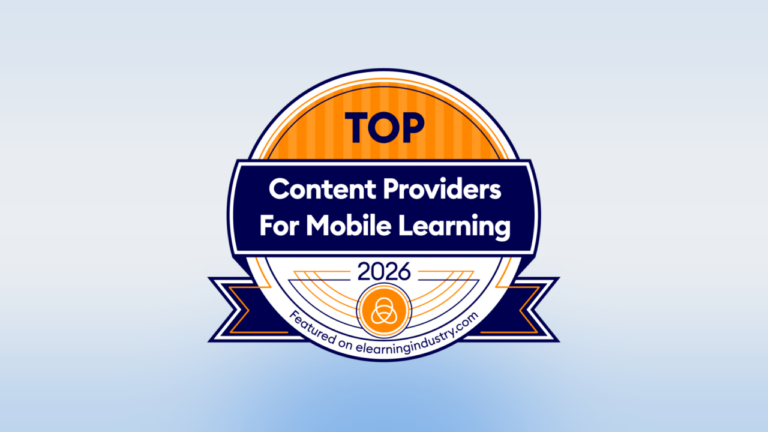
AllenComm Earns Spot on Best Mobile Learning Content Providers 2026 List
eLearning Industry honors AllenComm for its custom mobile learning solutions for enterprise, built to improve performance outcomes at scale. SALT LAKE CITY, [July 29, 2026] — AllenComm has been named to eLearning Industry’s...
ALLENCOMM Press Releases
AllenComm Named a Top Employee Engagement Training Provider by eLearning Industry
AllenComm has been recognized by eLearning Industry as a 2026 top provider for employee engagement, cited for scalable, personalized L&D that drives measurable results. SALT LAKE CITY, [June 24, 2026]...
ALLENCOMM Press Releases