

ALLENCOMM BLOG | Insights
Tips to keep your team connected and engaged during remote work
June 17, 2021
We know now that many organizations are switching permanently to part- or full-time remote work. They’re gearing up to provide home office technology to remote workers, and reimagining office space to account for the many employees that will be working from home. But video conferencing burnout is also real. So, how will organizational leadership and HR professionals re-envision their processes to keep remote employees connected and engaged?
You might say that everything old is new again. Many of the same best practices, already commonly used by HR professionals to promote buy-in and effectively communicate with staff, will still apply for remote work. Here are some tips to keep remote employees engaged in the new workforce, using good old fashioned interpersonal skills updated to include technology.
How to blend interpersonal skills and know-how with technology to promote engagement in the remote workplace.
1) Communicate Effectively. Use email, chat, newsletters, in office websites and file shares, and meetings as opportunities to clearly communicate expectations, events and deadlines. The important goals for all communication are clarity, consistency, and frequency. Employees shouldn’t have to guess or tolerate uncertainty around expectations. They shouldn’t be left hanging, and they shouldn’t have to chase anyone down to find answers.
2) Build Relationships. You’re heard the old truism that talented employees don’t leave jobs, they leave poor managers? Still true, even in a remote working environment. Moreover, employees that connect with their teammates are more engaged in the process. You can stay connected with ‘water cooler’ moments built around interactive video chat sessions, and even chat boards. The key is to build in time for participation, instead of just having your team watch and listen – and potentially zone out. Also don’t forget to use regular one-on-one meetings, team building meetings, and other occasions to build relationships. Social messaging boards may also be used.
3) Create Opportunities to Connect. Do you hold regular town hall meetings? Have you put up an interoffice messaging board? If not, you should. Make use of apps as well. Although employees are remote, now is the time to schedule in more interactive events and not less. The key is to keep them interactive, with opportunities to participate, so employees don’t zone out. You need to create a culture of connection with check-ins and events that mark time used to connect your team.
4) Be Flexible. You may think working remotely is flexibility enough. But employees that have the freedom to choose their working hours are often more productive and engaged. Consider giving your staff the flexibility to work earlier or later in the day, as an option. Or, allow them to put in a shorter day to accommodate appointments and make up the time with longer days the rest of the week. You might also encourage them to take an hour in the middle of the day to exercise. Doing so shows that your organization cares about employee wellness and their personal lives. That isn’t just the right thing to do, it will also inspire increased loyalty to the company.
5) Hold Space. Use virtual office-hours to be available for a quick call or chat. Practice active listening skills to really know your employees. Invest in leadership training to develop better interpersonal skills if needed. Also, provide conferencing rooms at the office or coworking spaces. Surprisingly, allowing personal private workspace increases engagement. Employees that know they have a desk at the office will have a sense of belonging and many may choose to use the office to focus on dedicated work and collaboration with team members.
6) Make decisions with equity in mind. Social justice, mental health, equity and accessibility are all important pieces of the puzzle. Do it right, and your organization will build a culture that retains employees, attracts talent, and motivates. What is your organization doing to foster inclusion and promote success? A remote workplace requires not only equitable access to technology, but also thoughtful communication and the right content. This is a large topic, so it may be worthwhile for your organization to invest in additional training to ensure you’re meeting the basics.
Use these ideas to move beyond video conferencing to engage with your remote employees and redesign your best practices going forward. The remote workplace may be the ‘new normal,’ but good old-fashioned interpersonal skills and good leadership will still be needed now more than ever.
Resources For L&D Leaders
free guide
free guide
insights | on the blog
ALLENCOMM Press Releases
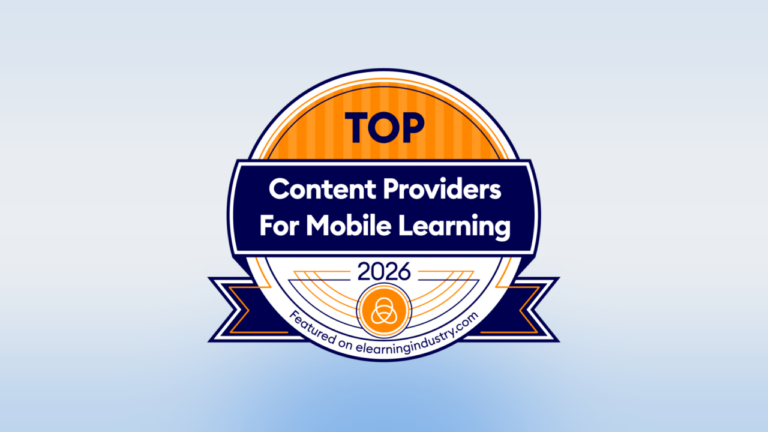
AllenComm Earns Spot on Best Mobile Learning Content Providers 2026 List
eLearning Industry honors AllenComm for its custom mobile learning solutions for enterprise, built to improve performance outcomes at scale. SALT LAKE CITY, [July 29, 2026] — AllenComm has been named to eLearning Industry’s...
ALLENCOMM Press Releases
AllenComm Named a Top Employee Engagement Training Provider by eLearning Industry
AllenComm has been recognized by eLearning Industry as a 2026 top provider for employee engagement, cited for scalable, personalized L&D that drives measurable results. SALT LAKE CITY, [June 24, 2026]...
ALLENCOMM Press Releases