
ALLENCOMM BLOG | Insights
How Social Media Should Drive More Authentic Training and eLearning
November 13, 2012
 It goes without saying that social media has drastically changed the way we connect with the world around us. It provides a large open space for all aspects of our lives to intersect.
Really large:
• 750 million people are on Facebook
• 4 billion “things” are shared on Facebook every day
• 1 billion tweets posted every week
• 20 million users pinning on Pinterest
Amidst this influx of sharing, pinning, tweeting, and liking, the collective result is that social media changes how we connect with people, and with information.
Advertisers have already caught on to this shift in how we connect. Conventional commercials, with glossy product shots and clever copy, don’t motivate the way they used to. Somehow, they seem too contrived. Instead;
• We want to hear that our friend tried a product and liked it.
• We want to read consumer reports, blog posts, and reviews online.
• We want transparency, authenticity, and honesty
Advertisers are realizing that the best way to motivate consumers is through these individual connections, personal recommendations, and honest reviews. In short, advertisers have adapted to this new market that has emerged in this large and open social media space.
How can Instructional Design Consultants also benefit from this new space?
Instructional Design Consultants can also benefit from a renewed honesty and transparency. By injecting authenticity into how we motivate, educate, evaluate, and ultimately improve performance, we can reach learners on a much deeper level.
What might this look like?
We might change the way we market our training. We could be more transparent in how we present the need for performance improvements. We could involve the group in developing our performance goals and learning objectives. Let the motivation evolve organically from honest employee reflection.
We might change the way we present our training. Training that “feels” like training is more likely to be resisted. Training that feels organic—learner-led and informal training—could potentially grow to be a larger chunk of our curriculum offerings in the future.
We might change the way we evaluate learners. Knowledge can be checked using open source testing, or online group evaluations. Online assessments might be replaced by social media applications or games, where high scores can be shared, recommended, or pinned.
We might also change the functionality of our training. We could bring the connections from social media into the elearning experience through the use of online polls, group assessments, or discussions. We could build forums into the course for learners to share real life experiences about the concepts being taught. And we could link courses to social media sites like Facebook and Pinterest as an easy way to help learners take away insights and ideas.
More than ever, it feels like we are living in the future. The technology of science fiction from the 1950s is now at our finger tips. But rather than the stark and robotic world we may have imagined, technology and the internet are bringing us together and making real authenticity even more valuable.
Learn more about our training consulting.
Resources For L&D Leaders
free guide
free guide
insights | on the blog
ALLENCOMM Press Releases
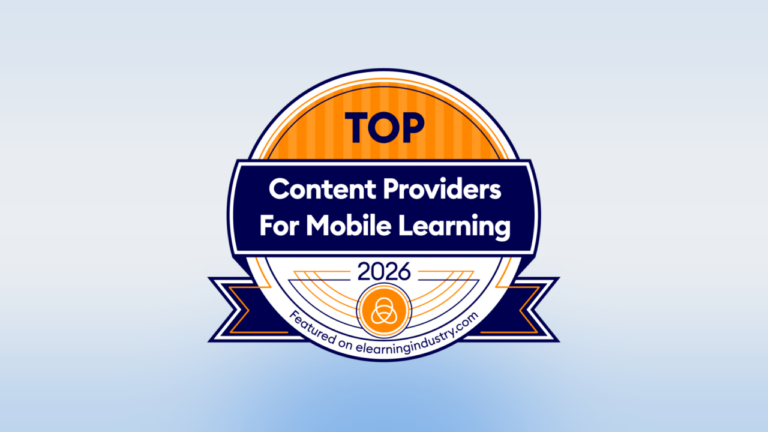
AllenComm Earns Spot on Best Mobile Learning Content Providers 2026 List
eLearning Industry honors AllenComm for its custom mobile learning solutions for enterprise, built to improve performance outcomes at scale. SALT LAKE CITY, [July 29, 2026] — AllenComm has been named to eLearning Industry’s...
ALLENCOMM Press Releases
AllenComm Named a Top Employee Engagement Training Provider by eLearning Industry
AllenComm has been recognized by eLearning Industry as a 2026 top provider for employee engagement, cited for scalable, personalized L&D that drives measurable results. SALT LAKE CITY, [June 24, 2026]...
ALLENCOMM Press Releases