

ALLENCOMM BLOG | Insights
Choose The Right Skill Development Program for Your Team
November 17, 2025
In today’s fast-paced business environment, skill development isn’t just a “nice to have” — it’s a top priority, especially for organizations looking to stay competitive. Learning leaders must prepare their teams to continuously learn, adapt, and grow to meet evolving industry demands. And as we all know, that’s easier said than done.
Selecting the right program is, perhaps, the most critical step that can help you ensure your employees gain meaningful skills that can be applied directly to their roles, boost productivity, and contribute to long-term organizational success. But with so many training options available, how do you choose the right skill development training program for your team?
Let’s break it down!
Here’s Why Skill Development Matters
Investing in your team’s growth isn’t just about ticking a box. It’s about equipping them with the tools, knowledge, and confidence they need to succeed.
You can empower your team members to become high performers through ongoing education, mentorship, and structured training opportunities. Even more, a well-designed high-quality skill development program can lead to increased employee engagement, retention, and overall business performance. The list of benefits goes on!
However, not all programs are created equal. This is where it gets tricky. Some programs may focus on theoretical knowledge, while others emphasize practical application. To truly make an impact, you will have to master the art of aligning training initiatives with your team’s needs and organizational goals in a way that matters. We have some tips for that!
How to Choose the Right Training Method
As mentioned, choosing the right training method is often the first step in designing an effective skill development training program. Let’s take a closer look at some of the top tips that can help you choose the right approach for your own team.
Assess Your Team’s Needs
Before selecting a program, conduct a thorough assessment of your team’s current skill levels, knowledge gaps, and future objectives. Use surveys, one-on-one discussions, and performance reviews to uncover deeper, more valuable insights. This can help you understand where your team is now, and where they can continue to grow, which allows you to target the skills that will have the most significant impact.
Align with Organizational Goals
You’ve heard it before: Your training method must complement broader organizational objectives to succeed. For example, if your company is adopting new technology, then hands-on workshops or simulation-based training may be more effective than online theory courses. Aligning skill development programs with strategic goals ensures that training efforts contribute to measurable business outcomes. (As a bonus: The better you get at achieving this alignment, the stronger your case is for stakeholder investment.)
Define the Skill Development Opportunity
It helps to define what type of development opportunity you have. Based on your team’s needs and your organization’s goals, could your team benefit most from hard skills (technical skills) training, soft skills training, leadership skills training, or a mixed approach that targets all three?
Consider How People Learn
Everyone learns differently. Some people do better in self-paced online environments, while others benefit more from interactive workshops or mentorship programs. Offering a variety of learning formats increases engagement and retention. Blended learning, which combines multiple approaches, is often one of the most effective methods.
Evaluate Resources and Budget
Naturally, resource constraints can (and usually do) influence your decision. Especially during a time where there is pressure to do more with less, you may be tasked with completing a larger initiative — on a shorter timeline, with a smaller team, and with less of a budget than you’ve had previous years. It can help to consider the availability of internal trainers, technology platforms, and financial resources from a wider view. Look for new, creative ways you can use existing resources to balance cost effectiveness with high-quality learning even for complex skill sets.
Measure and Adapt
Many leaders struggle with measurement, but you can make it easier by defining your measurement strategy early, including the tech you need and the people who will be responsible for executing that strategy. Then, commit to tracking performance and gathering feedback over time. This demonstrates your program’s return on investment (ROI), as well as highlights areas where the program can be refined to achieve even better outcomes. Most high-quality skill development programs are iterative, which means they evolve with the needs of the team and the organization instead of standing still.
After you’ve started to define your training method, you’ll also need to understand which level(s) of skill development are most suited for your audience.
The 5 Levels of Skills Development
Understanding the progression of skill acquisition can help you design more effective training programs. Typically, skills development follows five levels:
- Novice: At this stage, learners have little to no prior experience in a particular skill. Training focuses on foundational knowledge, rules, and basic procedures. Clear instructions and guided practice are essential.
- Advanced Beginner: Learners start to recognize recurring patterns and apply basic skills independently in simple situations. Structured exercises and real-world examples help bridge theory and practice.
- Competent: Competent learners can handle tasks with a degree of independence and make decisions based on understanding rather than rote memorization. Practical application, scenario-based learning, and problem-solving exercises are highly effective at this level.
- Proficient: At the proficient level, learners understand the bigger picture and can adapt skills to different contexts. They can troubleshoot, mentor others, and make informed decisions. Case studies and project-based learning are ideal for developing proficiency.
- Expert: Experts demonstrate a deep understanding and intuitive grasp of complex skills. They can innovate, lead initiatives, and train others. Advanced workshops, coaching, and continuous learning opportunities support expert-level development.
By aligning your training programs with these levels, you ensure that learners progress methodically, building confidence and competence at every stage. Next, let’s review a few of the most important features that turn average programs into high-quality, superior programs for skills development.
Features of High-Quality Skill Development Programs
When designing a high-quality skill development program, aim to include a mix of the following features:
- Customization: Tailor the program to the specific needs of your team and your industry. This keeps the learning personal, which deepens engagement and connection, while also creating relevance that helps the learner envision how what they’ve learned can actually help them on the job (and what application looks like in action).
- Practical Application: Incorporate critical practice opportunities that go beyond theory to make learning real. You can accomplish this using thought-provoking, persona-driven scenarios that mirror real-world situations, as well as hands-on practice opportunities that encourage learners to apply what they’ve learned on the job.
- Experienced Instructors: Consider assigning mentors, coaches, or other skilled trainers to help answer questions and provide meaningful guidance. These experts should have unique industry and organizational experience to bring more depth to the learning and teach what can’t be taught in words alone. They can also help with creating individual development plans for each team member to target the skills that matter most.
- Assessment and Feedback: Regular assessments help track progress, and constructive feedback ensures continuous improvement. Balancing both will enhance learner performance while also providing you with the vital data you need to measure outcomes to prove ROI and make adjustments moving forward.
- Scalability: What makes learning “most effective” can change all the time as the world evolves. Your program should grow with your organization, accommodating more employees or new skill areas over time to keep up with this evolution and set your organization apart from the competition.
By prioritizing these features, organizations can ensure that their skill development training programs deliver measurable results that meet learner needs and stakeholder expectations.
Making Skill Development Sustainable
Here’s a common L&D leader concern: Skill development training sounds great in theory, but from a long-term perspective, it often feels unsustainable. But skill developing isn’t about a one-time session. It’s about ongoing learning, reinforcement, and support.
As a leader, you’re in a unique position to foster a culture of continuous improvement that uplifts and supports your teams. And when one person succeeds, it creates a ripple effect of support and empowerment that spreads throughout the whole organization.
You can foster this type of culture by providing access to resources like eLearning platforms, coaching, and mentorship programs to help employees maintain and expand their skill sets. You can — and should — also integrate training into daily workflows to keep learning practical, relevant, and retained.
After all, high-quality skill development programs focus on not only knowledge transfer but also on behavioral change, performance improvement, and long-term impact.
Discover the Skills Development Solution That’s Right for You
Investing in your team’s growth is a strategic decision with lasting benefits. Choosing the right training method and understanding the levels of skill development are critical steps in maximizing the impact of your learning programs.
But there are even more opportunities available to you to take your skill development initiatives to the next level. Collaborating with a learning advisory partner like AllenComm, with decades of experience in reskilling and upskilling of all types, is one of the many great ways to reduce skills development overwhelm and achieve your top-priority goals with award-winning results.
Our programs are designed to accelerate learning, enhance employee performance, and deliver measurable business results that earn you decision-making seat at the table with stakeholders. So what are you waiting for? Equip your team with the skills they need to thrive today, and invest in a culture of continuous improvement to embrace shared success tomorrow.
Resources For L&D Leaders
free guide
free guide
insights | on the blog
ALLENCOMM Press Releases
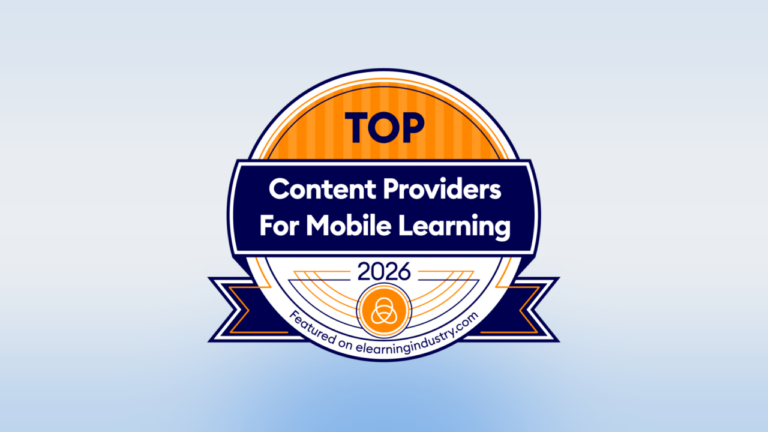
AllenComm Earns Spot on Best Mobile Learning Content Providers 2026 List
eLearning Industry honors AllenComm for its custom mobile learning solutions for enterprise, built to improve performance outcomes at scale. SALT LAKE CITY, [July 29, 2026] — AllenComm has been named to eLearning Industry’s...
ALLENCOMM Press Releases
AllenComm Named a Top Employee Engagement Training Provider by eLearning Industry
AllenComm has been recognized by eLearning Industry as a 2026 top provider for employee engagement, cited for scalable, personalized L&D that drives measurable results. SALT LAKE CITY, [June 24, 2026]...
ALLENCOMM Press Releases