
ALLENCOMM BLOG | Insights
LMS vs LXP: Which Platform Fits Your Learning Strategy?
June 8, 2026
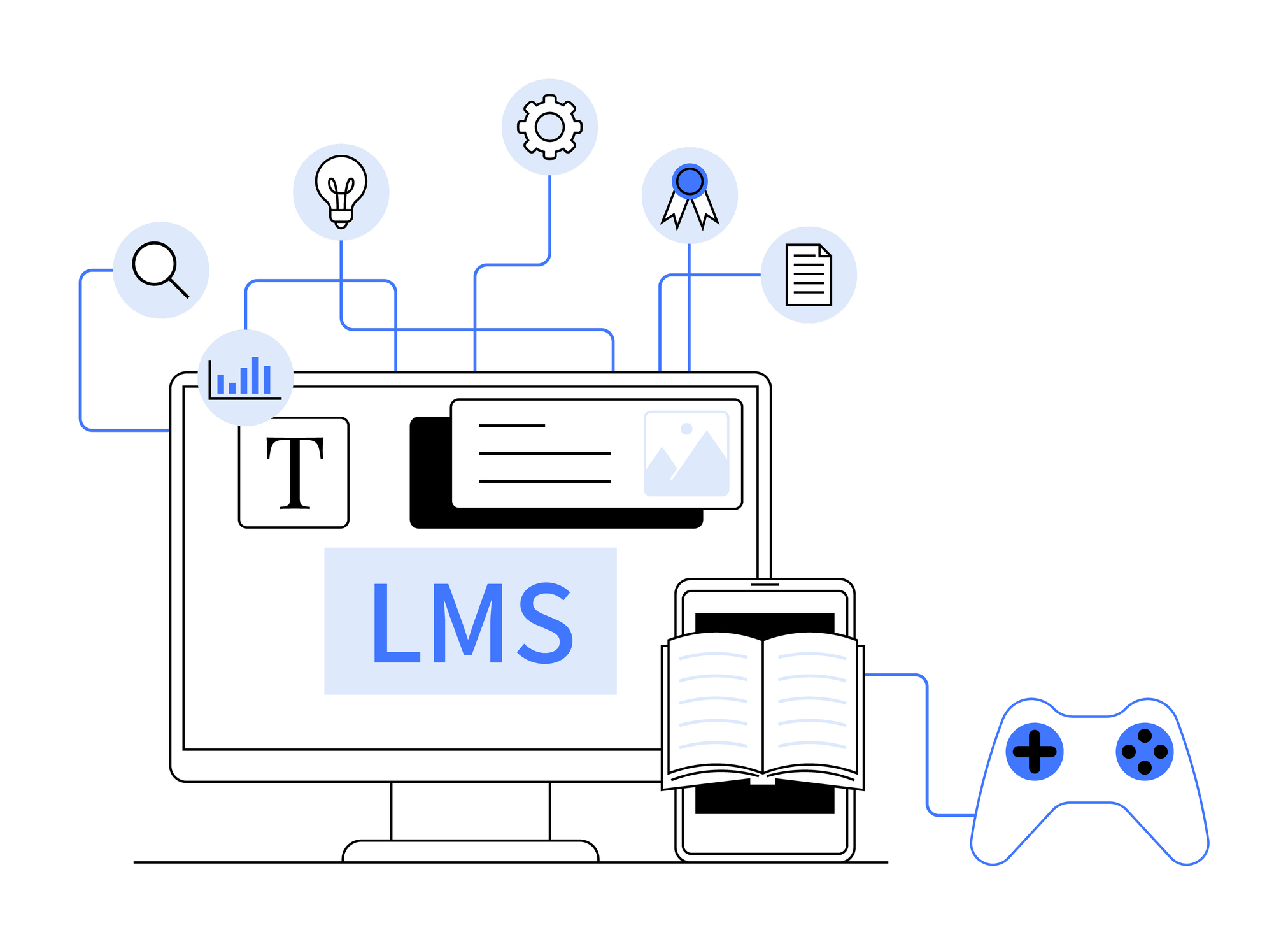
When evaluating LMS vs LXP for your organization, the right choice depends on how your workforce learns, what outcomes you need to drive, and how much flexibility your training strategy requires. A learning management system (LMS) and a learning experience platform (LXP) are both powerful tools, but they serve fundamentally different purposes. Especially for learning leaders looking to keep pace—and even get ahead in their industry—understanding that difference is the first step toward building a training infrastructure that actually works.
What Is an LXP Platform?
A learning experience platform (LXP) is a learner-centric software solution that aggregates, curates, and personalizes learning content from multiple sources. Unlike traditional training systems, an LXP uses artificial intelligence and data to surface relevant resources based on each employee’s role, interests, and behavior. The result is a dynamic, self-directed learning environment that mirrors the kind of personalized content experience employees already encounter in their personal lives.
LXPs typically pull content from internal libraries, third-party providers, YouTube, podcasts, articles, and peer-generated resources. Platforms like Degreed, EdCast, and Cornerstone’s LXP features have popularized this model. According to the Josh Bersin Company, the LXP market has expanded rapidly as organizations shift focus from top-down content delivery to continuous, on-demand skill development.
What Is the Difference Between LMS and LXP?
The core difference between LMS and LXP lies in control and intent. An LMS is built for administrators. It assigns courses, tracks completion, enforces compliance requirements, and generates reports for HR and legal teams. The learning path is defined from the top down, which makes it ideal for onboarding, regulatory training, and certification programs.
An LXP is built for learners. It puts employees in the driver’s seat, allowing them to explore content, follow personalized recommendations, and learn at their own pace. The platform adapts to user behavior and interests rather than dictating a fixed curriculum.
Let’s make it even simpler with a concise look at LXP vs LMS differences for company training:
| Dimension | LMS | LXP |
| Primary User | Administrators | Learners |
| Content Delivery | Structured courses and curricula | Curated, aggregated multi-source content |
| Learning Path | Top-down, assigned | Self-directed, AI-recommended |
| Primary Use Case | Compliance, onboarding, certification | Upskilling, reskilling, career development |
| Reporting | Completion rates, compliance tracking | Skill gaps, engagement, learning patterns |
| Content Sources | Internal library only | Internal + external + user-generated |
| Personalization | Limited | High, AI-driven |
| Social Learning | Minimal | Central feature |
| Admin Control | High | Moderate to low |
How Does an LXP Differ from an LMS?
While both platforms support workplace learning, their architectures and philosophies diverge significantly. An LMS operates on a course-completion model: a learner is assigned content, completes it, and the system records the result. Progress is linear and measurable in a way that satisfies compliance auditors and HR leaders.
An LXP operates on a continuous learning model. This means there isn’t a defined start or end point. Rather, learners engage with microlearning content, short videos, articles, and peer recommendations throughout their daily workflow. Completion is less important than engagement, skill development, and behavior change.
Another key distinction in the LXP vs LMS features comparison is reporting depth.
- An LMS tells you who completed what and when.
- An LXP tells you what skills employees are developing, where learning is happening organically, and which content formats drive the most engagement.
Both types of data matter, but they answer different business questions. Understanding these differences—and knowing how to use them to your advantage based on what your business and your learners need—is critical to making a measurable impact. Yet, leaders still often have questions, especially when other terminology (such as “learning platform”) is used. Let’s take a closer look.
What Is the Difference Between LMS and Learning Platform?
This question often surfaces because the term “learning platform” is used loosely in the industry. In most contexts, a learning platform is an umbrella term that can describe any digital solution designed to deliver or manage learning content. That includes both LMS and LXP tools, as well as integrated learning systems that combine elements of both.
The more precise distinction is between a learning management system and a learning experience platform.
- An LMS manages learning from an organizational perspective.
- A learning experience platform facilitates learning from a personal one.
When vendors use the term “learning platform” without qualification, it’s worth asking whether they mean a content delivery tool, a management tool, or a combined solution.
Organizations evaluating platforms should focus on what the tool is designed to optimize: administrative control and compliance, or learner engagement and skill development. The answer shapes which type of platform belongs in your tech stack.
What Are the Benefits of Using an LXP?
The growing interest in LXPs reflects a broader shift in how organizations think about workforce development. Traditional LMS-centric training works well for compliance, but it often falls short in preparing employees for rapidly changing skill requirements. An LXP addresses that gap in several important ways.
1) Personalized Learning at Scale
LXPs use artificial intelligence to recommend content based on each employee’s role, learning history, and career goals. According to McKinsey, organizations that personalize learning experiences at scale see significantly higher engagement rates and faster time-to-proficiency. This level of customization would be impossible to replicate manually with a traditional LMS.
2) Support for Continuous Skill Development
Skills requirements are changing faster than training programs can keep up with. An LXP supports ongoing, self-directed skill development by surfacing relevant content as roles evolve. Employees can proactively close skill gaps without waiting for an administrator to assign a new course.
3) Social and Collaborative Learning
Many LXPs include community features that allow employees to share resources, comment on content, and learn from peers. This peer-to-peer learning dynamic reflects how knowledge actually transfers in modern organizations. According to the Association for Talent Development (ATD), informal and social learning accounts for a significant portion of how employees develop skills on the job.
4) Integration with the Flow of Work
LXPs are increasingly designed to surface learning content inside the tools employees already use, including Slack, Microsoft Teams, and Salesforce. This integration reduces friction and makes learning a natural part of the workday rather than a separate activity that competes with it.
LMS vs LXP: Common Mistakes Organizations Make
Many organizations struggle with this decision not because the platforms are complicated, but because they frame the choice incorrectly. Here are the most common missteps we’ve seen in our 40+ years of experience (and how you can avoid them).
- Treating it as a binary choice. Most organizations need both an LMS for compliance and structured onboarding, and an LXP for ongoing development. The question is not which to use, but how to use each effectively.
- Choosing a platform based on features alone. Platform features matter less than alignment with your learning strategy. An LXP with advanced AI doesn’t help if your learners have no time or culture of self-directed development.
- Ignoring content strategy. Neither an LMS nor an LXP delivers value without high-quality content. Organizations that invest in custom eLearning development see stronger outcomes from both types of platforms.
- Underestimating change management. Rolling out a new platform requires more than IT configuration. Employees need to understand why the platform exists, how to use it, and what’s in it for them.
- Neglecting analytics. Both platforms generate data. Organizations that fail to review and act on learning analytics miss the opportunity to continuously improve their programs.
When to Use an LMS, an LXP, or Both
The right answer depends on your training priorities. To help you decide, we’ve pulled together a practical decision framework for the LXP vs LMS differences for company training context.
| Scenario | Best Platform |
| Annual compliance and regulatory training | LMS |
| New hire onboarding with structured milestones | LMS |
| Professional certification and credentialing | LMS |
| Continuous upskilling and reskilling programs | LXP |
| Leadership development and career pathing | LXP |
| Informal and peer-driven learning culture | LXP |
| Large enterprise with both compliance and development needs | LMS + LXP |
| Highly regulated industry with audit requirements | LMS (primary) |
For most mid-to-large organizations, the most effective approach is a blended ecosystem. The LMS handles structured, trackable training where compliance records are non-negotiable. The LXP supports the exploratory, skills-based development that keeps employees engaged and adaptable. When both platforms are connected to a unified content strategy, the result is a learning infrastructure that covers the full spectrum of employee development needs.
Choosing the Right Learning Technology Partner
Selecting between an LMS and an LXP is only one part of the equation. Implementation, content development, and strategic alignment determine whether either platform delivers measurable business results. Organizations that approach this decision without a clear learning strategy often find themselves with capable technology and underwhelming outcomes.
Working with a partner experienced in both platform strategy and custom content development ensures your learning ecosystem is built for long-term performance, not just feature coverage. Whether your priority is compliance infrastructure, engagement at scale, or integrated skill development, the right approach starts with clarity about what your workforce actually needs to learn and why.
How to Choose the Right Platform for Your Organization
The LMS vs LXP decision isn’t a simple “either-or.” It’s a strategic question about how your organization defines learning success. An LMS provides the control, structure, and documentation that compliance-driven training demands. An LXP delivers the personalization, flexibility, and engagement that modern workforce development requires. For most organizations, the most resilient learning strategy includes both, supported by high-quality content that performs across platforms.
Understanding what is LXP vs LMS in practical terms means moving past the feature comparisons and asking more fundamental questions:
- What does your workforce need to learn?
- How do they learn best?
The answer to these questions should drive every technology decision you make. However, sometimes making those technology decisions can feel daunting, especially when stakeholders have high expectations for you—and for the overall vision of L&D success within your entire organization.
We’d love to use our experience to help you with that journey! Connect with us for a free consultation today to learn more about how we can be your partner in making a measurable impact that elevates the learner experience and proves ROI for your business
Resources For L&D Leaders
free guide

free guide
insights | on the blog
ALLENCOMM Press Releases
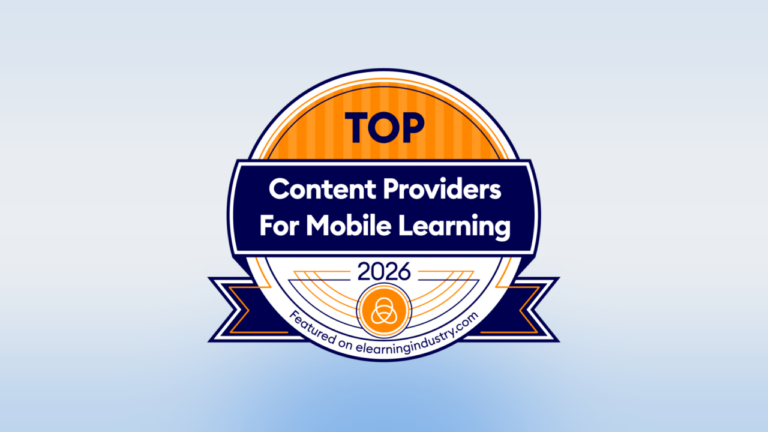
AllenComm Earns Spot on Best Mobile Learning Content Providers 2026 List
eLearning Industry honors AllenComm for its custom mobile learning solutions for enterprise, built to improve performance outcomes at scale. SALT LAKE CITY, [July 29, 2026] — AllenComm has been named to eLearning Industry’s...
ALLENCOMM Press Releases
AllenComm Named a Top Employee Engagement Training Provider by eLearning Industry
AllenComm has been recognized by eLearning Industry as a 2026 top provider for employee engagement, cited for scalable, personalized L&D that drives measurable results. SALT LAKE CITY, [June 24, 2026]...
ALLENCOMM Press Releases